November 20, 2026 - November 20, 2026
Provision of Targeted Supplementary Feeding (TSF) And Blanket Supplementary Feeding (BSF)
-
Donor
Projects duration
Grant Amount (ETB)
Project Location
1
WFP
October 2021-Dec 2021
Budget details available upon request Tigray Southern Zone
2
WFP
January 2022- March 2022
Budget details available upon request 3
WFP
April 2022 - Dec 2022
Budget details available upon request 4
WFP
Jan 2024 - Dec 2023
Budget details available upon request - In collaboration with WFP, TYES implemented TSF and BSF programs to reduce the risk of malnutrition among vulnerable children, pregnant, and lactating women.
- These programs provided specialized nutritious foods to support nutritional recovery and prevent deterioration of nutritional status.
- TYES prioritized gender equality and women's empowerment throughout these programs.
Key Achievements
-
- 34,102 individuals (25,450 children aged 6-59 months and 8,653 pregnant/lactating women) in 3 woredas of Southern Tigray were protected from mortality and morbidity due to acute malnutrition, with a 65% reduction in acute malnutrition and stunting.
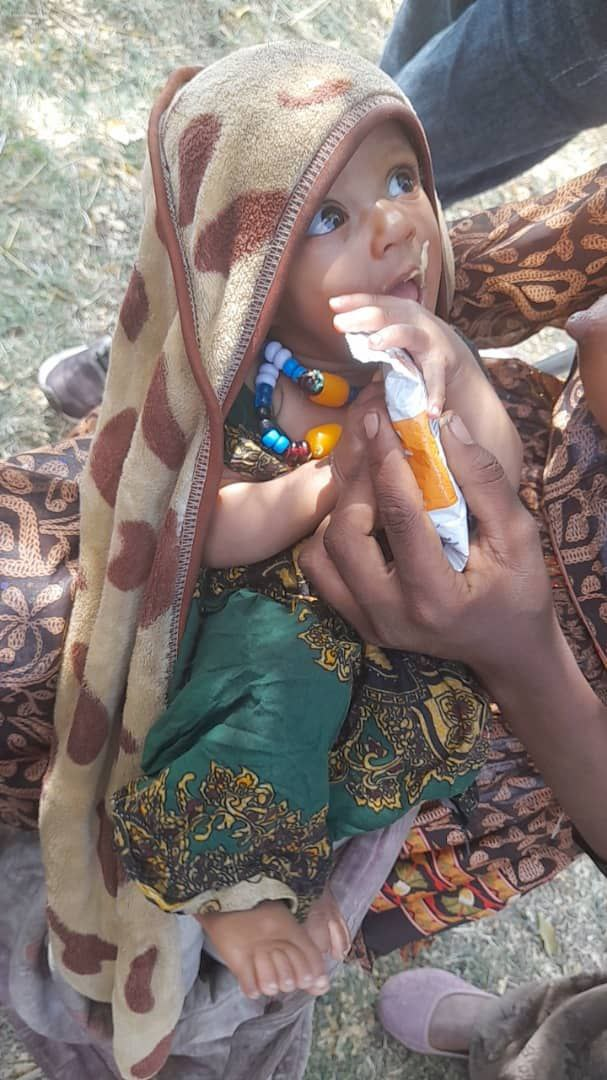
- Children and pregnant/lactating women received Specialized Nutritious Foods (SNF) through Blanket Supplementary Feeding to prevent malnutrition and support recovery.
- Moderate Acute Malnourished (MAM) children and women accessed specialized foods for nutritional recovery.
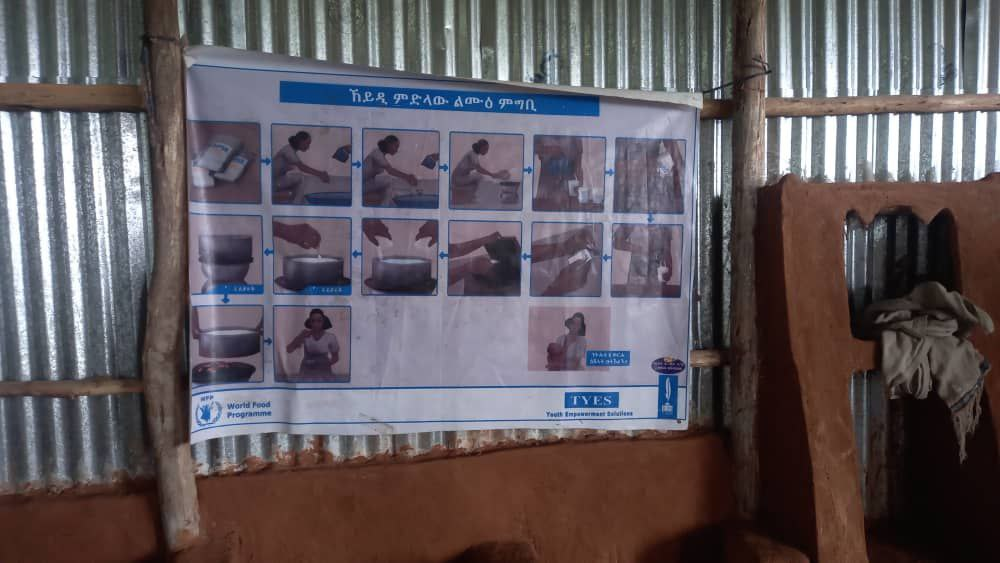
- Behavior Change Communication (BCC) messaging on Maternal, Infant, and Young Child Nutrition (MIYCN) practices was expanded to prevent undernutrition in children under 5 and pregnant/lactating women.
- Improved access to services for detection, referral, prevention, and treatment of Severe and Moderate Acute Malnutrition (SAM/MAM) in Supplementary Feeding Programs.
- Community awareness on MIYCN practices was enhanced to prevent undernutrition among vulnerable groups.